
Infrastructure TenderSubmission Automation
How GlideFlow streamlined tender preparation for infrastructure operations, reducing document processing effort by 60% with intelligent automated verification.


Less preparation time per tender
Reduced manual processing time
Document completeness

A Document-Heavy Process
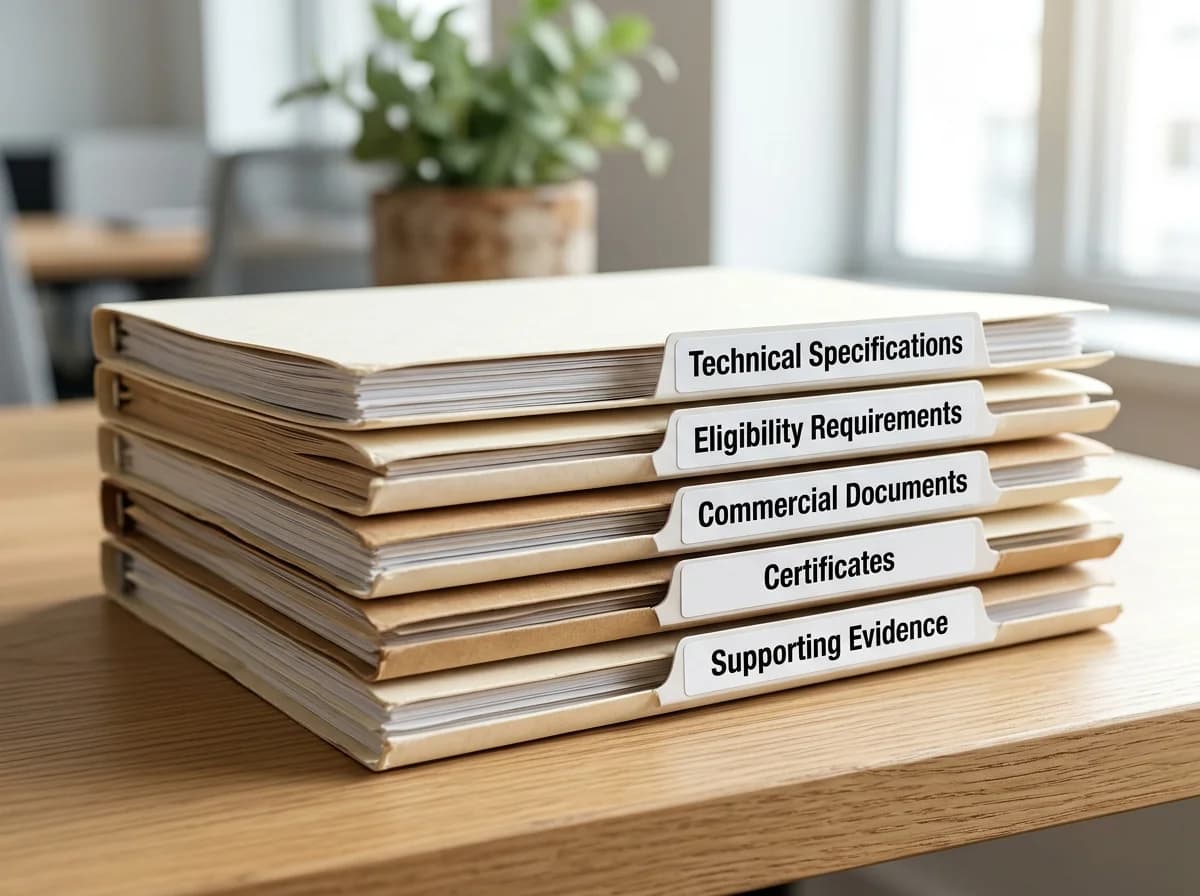
The client's tender team handled a combination of technical specifications, eligibility requirements, commercial documentation, certificates, and supporting evidence. Each opportunity required employees to identify relevant information and verify that the submission met the tender's requirements.
Reviewing lengthy tender documents to identify mandatory requirements.
Copying important information into internal checklists and spreadsheets.
Locating certificates and supporting documents across different folders.
As submission volumes increased, employees spent more time preparing documentation and less time evaluating opportunities. Inconsistent document organization also made it difficult to identify missing information early.
The client needed a more repeatable process that could reduce preparation effort without compromising the accuracy of important tender requirements.
A Smarter, More Structured Workflow
GlideFlow began by mapping the tender preparation workflow and identifying repetitive document-handling activities, potential bottlenecks, and points where omissions could occur.
We designed an intelligent workflow to support the tender team throughout the preparation process.
Intelligent document analysis
The workflow processes supported tender documents and extracts important information, including deadlines, technical requirements, eligibility conditions, and mandatory supporting documents.
Structured requirement tracking
Extracted information is organized into a consistent checklist so the team can see what is required, what has been collected, and which items still need attention.
Supporting document organization
Relevant documents can be categorized and associated with the appropriate tender requirements, reducing the time employees spend searching for files.
Missing information alerts
The workflow flags missing documents, incomplete fields, and requirements that need further review before submission.
Human verification
Employees retain responsibility for reviewing critical requirements and approving the final submission. Automation supports the process rather than independently determining compliance.
From Manual Work to Real Impact
| Performance Indicator | Before GlideFlow | After GlideFlow | Improvement |
|---|---|---|---|
| Preparation time per tender | 20 hours | 8 hours | 60% reduction |
| Manual processing time | 100 hours/month | 45 hours/month | 55% reduction |
| Document completeness | 85% | 98% | 13 percentage-point increase |
| Tenders prepared monthly | 10 | 16 | 60% increase |
Turning Manual Processes Into Measurable Progress
The redesigned workflow reduces the administrative effort required to prepare each tender and provides the team with a clearer view of outstanding requirements.
Using the illustrative figures above, a reduction from 20 hours to 8 hours per tender would release 12 hours per submission. Across 10 tenders, that represents 120 staff hours of monthly capacity, assuming comparable workloads.
The improvement gives the team more time to assess opportunities, review technical requirements, and prepare competitive submissions.

Ready to automate your document-heavy operations?
Explore how GlideFlow engineers enterprise AI workflows tailored to your specific industry, compliance requirements, and legacy systems.
More Production Case Studies
See all →AI Appointment Booking For Healthcare
How GlideFlow deployed autonomous AI voice agents for healthcare clinics, handling 24/7 patient scheduling and reducing missed appointment calls by 85%.
Lead Management and Sales Follow-Up
GlideFlow automates lead management across web, email, and social channels, cutting first-response time by 93.8% and driving a 95% follow-up completion rate.
Construction Expense and Ledger Automation
GlideFlow captures on-site voice notes, receipts, and invoices into structured ledger records, reducing expense processing time by 70%.